Klarity Unlocks kAIzen for the World’s Leading Companies
Only 5% of AI pilots succeed. It’s madness. While I’d like to believe implementing AI successfully depends on strong leadership, I’ve never seen mandates from the C-suite work.
Here’s what actually happens: A CEO announces an AI mandate. People panic—they don’t know which tools to use, which processes might benefit, or how to implement changes. It’s the same human problem I saw in those hallways at the large U.S. insurer, just accelerated. The fear. The resistance. The lack of ownership.
AI has compressed the timeline for trying things, which means we’re failing faster. But we’re failing for the same reason transformation always fails: we’re still treating it as a process problem instead of a human problem.
Employees don’t need another mandate. Avoid that mistake and instead ask yourselves these questions:
- How do you make change continuous instead of disruptive?
- How do you give people ownership instead of airlifting in solutions that feel alien?
- How do you build trust instead of fear?
- How do you make improvements feel effortless instead of exhausting?
That’s what Klarity is designed to solve. I’m not just saying this because I work here. I got religion as a client at Stripe.
How Klarity Solves the Human Problem
Traditional transformation requires people to stop their work to be interviewed and observed, trust that the changes won’t eliminate their jobs, implement recommendations they didn’t help create, and maintain those changes without ongoing support. Every single one of those is a human problem that creates resistance.
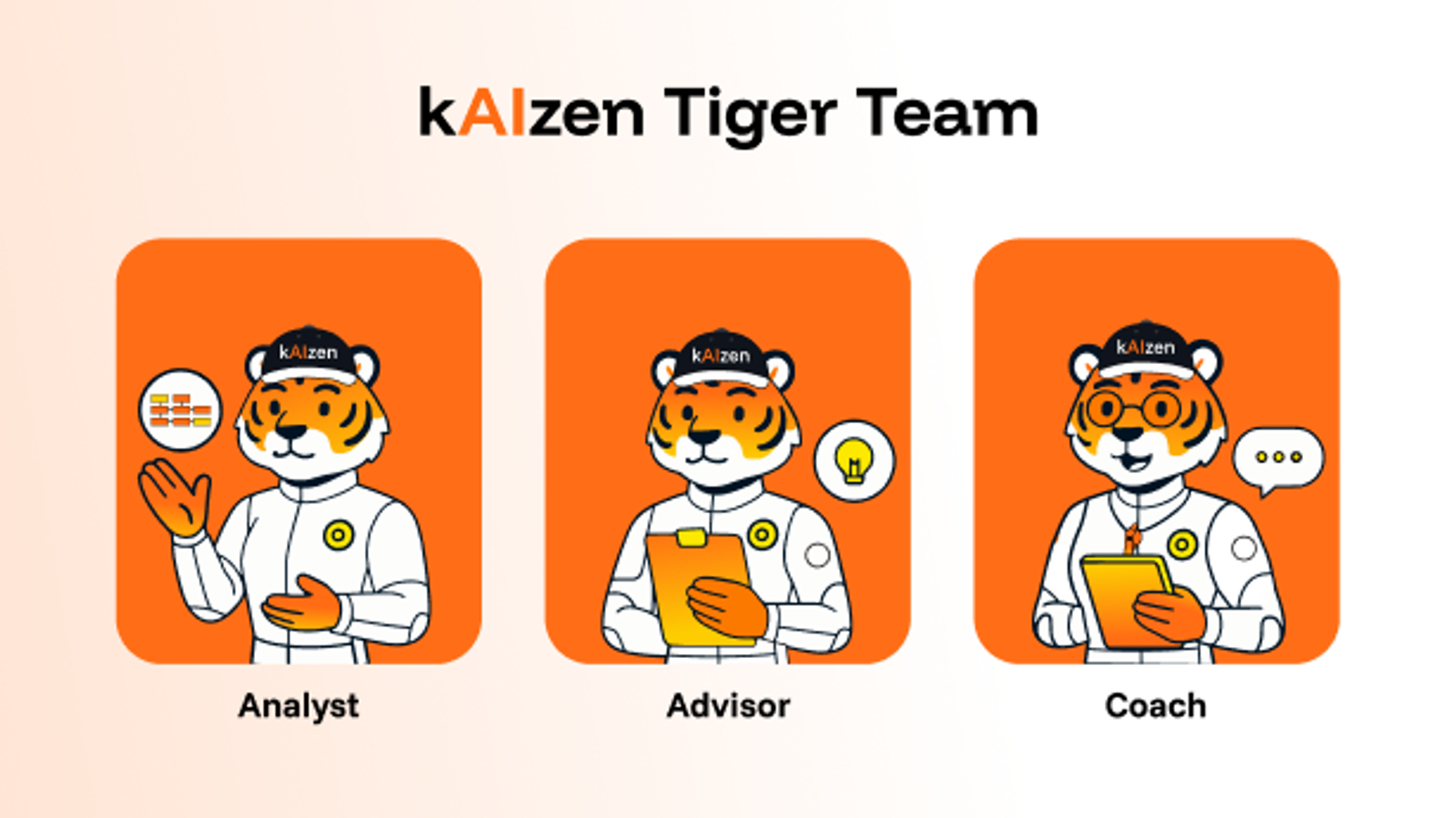
Klarity’s three-part system—Analyst, Advisor, and Coach—is designed to solve these human problems, not just automate process problems.
Analyst: Map out value streams and capture tribal knowledge
Klarity’s AI gives you an unlimited analyst that can map your company’s value streams in minutes and capture processes in weeks. Most companies I’ve worked with start fixing things before they’ve done the analysis to know what’s broken.
Speed reduces fear. When process capture takes three weeks instead of 10 months, people spend less time feeling scrutinized. The disruption is shorter. The anxiety is contained.
AI interviews feel less invasive. People have a private conversation with an AI that captures how they work without judgment. There’s no comparison to other workers, no fear that being slow means you’re going to lose your job.
One Klarity customer recently captured 500 processes in 3 weeks. That compression changes everything. You can actually reach ROI before your strategic goals shift or your executive sponsor leaves the company.
People ask me: ‘Doesn’t AI replace what you do?’ No. I was never solving a process problem. I was solving a human problem. Klarity handles the process. I handle the people. — Emmanuel Aouad, Director of Transformation & Operational Excellence
Advisor: Instantly receive expert recommendations
Once you know what is happening in your company, you want to know how to improve it. Klarity’s Advisor solves this by having complete context across all processes. It can see the second-order effects that individual teams can’t. This is about having recommendations that people can actually trust because they’re based on how the whole system works, not just one team’s perspective.
I often talk with Klarity customers who are shocked by Advisor’s expert-level recommendations. “Klarity gave us great ideas we had never even considered ourselves,” a customer from JLL technologies recently told me.
Coach: Continuous, effective, always-on kaizen
Klarity Coach acts as a 1:1 coach that unlocks kaizen by watching people work and giving them instant feedback. Kaizen works when process improvements are made continuously by everyone, everywhere.
The way Coach works: People maintain total control. Coach automatically identifies the processes that person is performing. Coach provides positive feedback on what they did well. Coach surfaces new innovations they’ve discovered. Coach suggests changes that would improve efficiency—all in private, so there’s no shame on the part of the employee for getting things wrong.
Why I Joined Klarity
After fifteen years of transformation work, I’d accepted certain realities: projects would take too long, most would fail, and people would resist change because they feared the unknown.
Then I saw what Klarity was building. They weren’t trying to make transformation slightly better. They were declaring it dead and resurrecting something better: kaizen.
I joined because I was tired of being a punching bag. I was tired of spending all of my “just trust me” tokens with executives while people dodged me in hallways. I wanted to stop solving the same problems over and over and start building systems where improvements happened continuously, driven by everyone.
The companies using Klarity now—DoorDash, OpenAI, TylerTech—they’re not running transformation projects. They’re practicing kaizen. And that’s the future I want to help build.
If you’re curious about what continuous improvement looks like at your company, request a demo.